Why Urquhart Bay Dominates the Loch Ness Heatmap — and What the Register Says
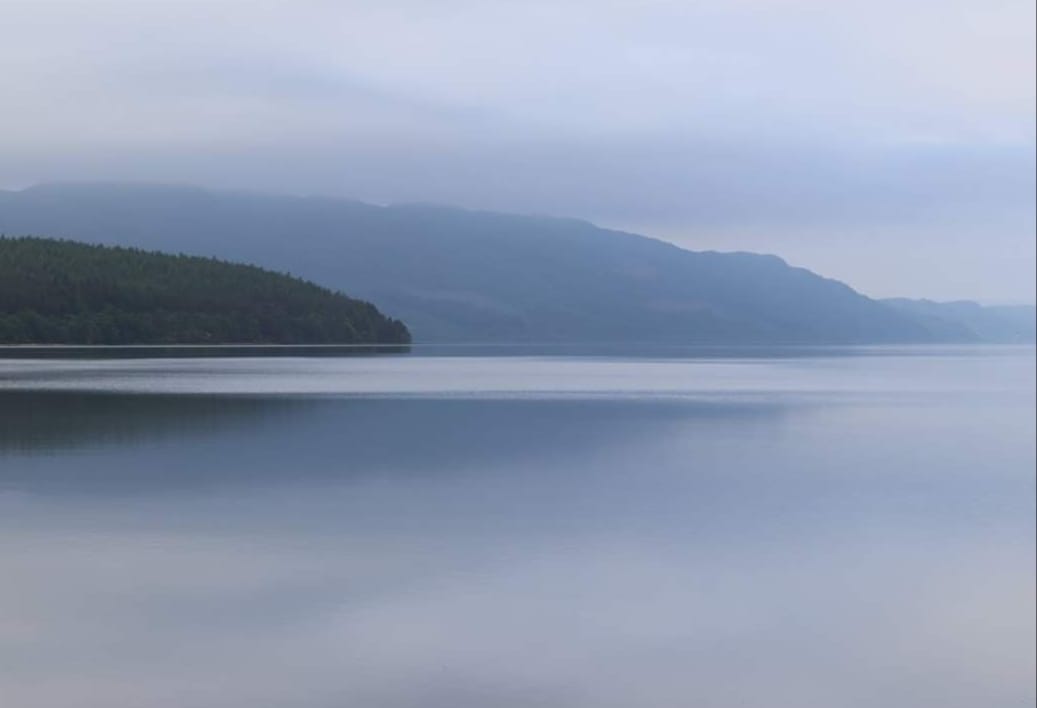
Open the Loch Ness sightings heatmap and one patch of water glows brighter than any other: Urquhart Bay, the wide inlet beside Urquhart Castle on the north-west shore. Does that mean the monster prefers it there? The honest answer is more interesting — and comparing the map with our full Sightings Register shows why.
What the numbers show
At the time of writing, the heatmap holds 191 plotted sightings. Of those, 77 sit in and around Urquhart Bay and the castle — roughly **four in every ten markers**.
The register tells a very different story. Of its 1,080 entries, only 49 name Urquhart Bay or Urquhart Castle in their location — about **4.5%**. Fort Augustus (22), Dores (17), Invermoriston (14) and Foyers (11) appear less often still, and the great majority of entries — 967 — describe their location in other ways, or not precisely at all.
So the same loch, seen through two different collections, gives a near tenfold difference in how important Urquhart Bay looks. Neither is wrong. They measure different things.
Why the heatmap leans towards Urquhart Bay
**1. Maps need places.** A sighting can only go on a map if it can be placed. "Urquhart Bay" or "near the castle" can be pinned with reasonable confidence, while many historical reports say things like "from the road" or "mid-loch" — or give no usable location at all. Those never reach the map. Urquhart, with its famous landmark, is unusually easy to locate.
**2. That's where the people are.** Urquhart Castle is one of the most-visited places on the loch, and cruise boats sail straight into the bay (see our boat tours guide). More eyes on the water means more reports — of the monster, but also of boat wakes, birds, logs and wind slicks.
**3. A wide, open view.** The bay offers long, uninterrupted sightlines from the castle and shore. Witnesses have time to watch, photograph and compare against fixed points — which also makes their reports easier to map.
**4. Famous cases attract attention.** Some of the best-known episodes in Loch Ness history happened here, including the Peter MacNab photograph of 1955, taken with the castle in frame, and Robert Rines' underwater "flipper" photographs of the 1970s. Fame brings researchers, cameras and expectation — and expectation shapes what people report.
**5. The modern era is over-represented.** The register's Urquhart entries cluster in recent decades: 7 from the 1980s, 15 from the 1990s, 9 from the 2000s and 15 from the 2010s, against only a handful before that. Modern reports tend to come with photos, times and precise places — exactly what a map needs.
Why the register looks so different
The register is a record of *reports*, not *positions*. Its early years — the 1933 rush that followed the Aldie and John Mackay report — are full of sightings from the new lochside road and all along the shoreline, often loosely described. They are just as much part of the story, but they cannot honestly be plotted.
That's why we add register entries to the heatmap conservatively. Only entries with a clear named locality — such as "Urquhart Bay" or "Dores Bay" — are placed, and they are marked as an **approximate locality**, not an exact position. Phrases like "south of Urquhart Castle" or "opposite Urquhart Bay" stay off the map, because we can't say where the observer or the object really was. Where a register entry describes the same event as an existing marker, we link the two instead of adding a duplicate.
The result: of the 49 Urquhart entries in the register, only around a third are precise enough to plot.
So, is Urquhart Bay special?
It might be. Two rivers, the Enrick and the Coiltie, flow into the loch here, and it has long been suggested that fish gather in the bay. But the data we hold can't separate a genuine hotspot from a hotspot of *watching*. The heatmap shows where sightings were reported and can be located; the register shows how varied, scattered and often vague the full record really is.
Read together, they make one point clearly: before drawing conclusions from any map of Loch Ness sightings, ask what was left off it.
Explore for yourself
- Browse every plotted report on the interactive heatmap.
- Search all 1,080 entries in the Sightings Register.
- See how reports built up over time in The First 1,100 Loch Ness Sightings.
- Read the scientific perspective in Adrian Shine's research.
Counts are taken from this site's heatmap and register on 9 November 2026 and will change as new sightings are added.